January 17, 2026
In every electrical panel, small parts decide long-term safety and reliability. One such part is the interconnecting links. At Elmex Controls Pvt. Ltd., we see these links as quiet protectors of order inside terminal blocks. Our work in electrical wire termination technology has shown us how the right Interconnecting Links reduce errors, save time, and keep power paths stable. When panels grow complex, clear connections matter even more. We build, test, and apply these links daily, not as theory, but as practice shaped by real sites, real loads, and real expectations.
Terminal blocks act as organised junctions for conductors inside panels. Interconnecting Links connect two or more terminals to share power or signals. They help create common points without messy wiring. When we design panels, these links cut clutter and lower human error. They also help during checks, repairs, and later upgrades.
From shop floors to substations, we see how poor links cause heat, loose contact, or uneven load flow. Good links prevent that. They keep contact pressure even and current paths clean. With proper planning, interconnecting links turn terminal blocks into neat, readable systems. This clarity saves hours during fault-finding and routine checks. That is why we treat these parts with the same care as major components, not as add-ons.
Every panel has a purpose. Some feed power. Others carry signals or control lines. Each case needs a different link type. Using the wrong one creates stress points. Over time, this stress leads to a voltage drop or heat rise. We have seen panels fail early due to small link choices made in haste.
Correct links support stable current flow and safe isolation when needed. They also match wire sizes and terminal pitch. This fit keeps the tightening force even across terminals. In plants where uptime matters, this choice becomes critical. We always advise thinking ahead. A link that works today should also support future expansion. Planning links early helps avoid rewiring later, which cuts cost and downtime.
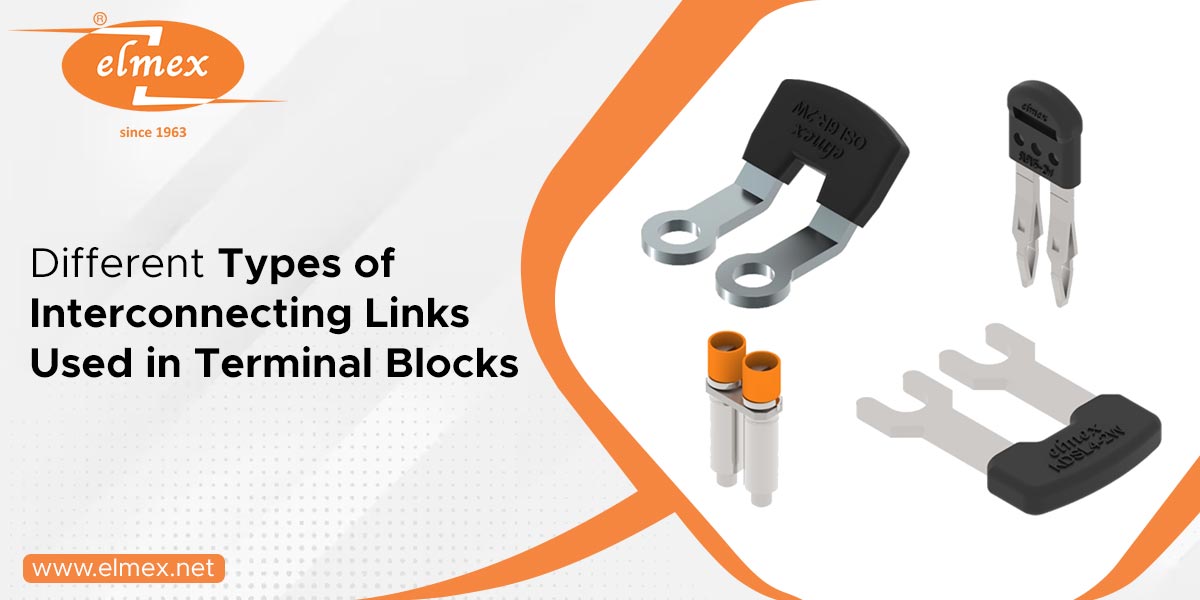
Comb Type Shorting Links (UFSL and SLC) are common where many terminals need a shared feed. Their comb shape allows one link to bridge several points at once. This design keeps the spacing equal and contact firm. In our panels, these links help distribute power cleanly across rows.
We prefer comb links in control panels and distribution boards. They speed up assembly and keep wiring neat. During maintenance, they offer clear visual paths, which help teams work faster. The solid metal form also handles vibration better than loose jumpers. When loads stay balanced, these links maintain steady contact without frequent retightening. That reliability matters in long-run use.
Permanent Cross Connection Link Assembly (CCLA) suits setups where links must never be removed. Once fixed, these links form a stable bridge that resists tampering. We use them in panels where safety rules demand fixed paths. Their solid build ensures constant pressure and low resistance.
In harsh sites, vibration and dust challenge every joint. CCLA handles this well. Since it stays in place, it avoids wear from repeated handling. We often suggest it for power distribution where isolation is not required at each point. Over time, this choice lowers maintenance needs. Panels remain stable, and inspection results stay consistent year after year.
Removable Shorting Link (RSL)gives flexibility without losing order. It allows quick linking and safe removal during testing or fault work. We use RSL in panels that need frequent checks. Technicians can isolate circuits without cutting wires or loosening terminals.
This link type supports safe work practices. During commissioning, it helps test sections step by step. Later, during service, it saves time. Instead of rewiring, teams remove the link, perform checks, and restore it. This ease reduces errors caused by rushed reconnections. In control systems, such flexibility improves both safety and speed.
Push-in Type Shorting Links (SSL/SLPU/MLPU) focus on speed and ease. These links snap into place without tools. In fast-paced assembly lines, they cut build time. We see their value when panels must be produced in volume.
Despite quick fitting, they hold firm. Spring pressure keeps contact steady. This design suits modern terminal blocks with push-in wiring. It also reduces hand strain during assembly. For projects with tight deadlines, these links help teams meet schedules without losing quality. Proper use still needs planning, but the gains in time are clear.
Interconnecting Linkswork best with quality Terminal blocks accessories. End plates, markers, and covers all play a role. Together, they keep links aligned and protected. When accessories match the link type, the system stays stable.
We always stress complete solutions, not mixed parts. A good link with poor support parts still fails. Proper accessories guide wires, protect contacts, and improve readability. This approach helps new technicians understand panels quickly. Over time, it lowers training needs and service errors. Small details, when combined well, create strong systems.
As an Interconnecting Links manufacturer in India, we focus on consistency and testing. Materials, plating, and tolerance all matter. Each batch must meet electrical and mechanical limits. We test links under load and vibration to match real use.
Being an Interconnecting Links supplier in India also means understanding local site conditions. Heat, dust, and power variation are common. Our designs reflect this reality. We work closely with panel builders and engineers to match needs. This local insight helps ensure long service life and stable performance.
In a recent industrial control panel project, poor linking caused uneven power sharing. After replacing loose jumpers with proper comb links, heat levels dropped. Fault trips reduced. Maintenance reports showed fewer issues within months. This cause-and-effect pattern repeats often.
Another case involved testing delays. Using removable links cuts service time by half. Technicians could isolate circuits cleanly. Production losses have been reduced. These outcomes show how link choice affects daily operations. Good links do not just sit there. They actively support uptime, safety, and cost control.
At Elmex Controls Pvt. Ltd., our experience shapes every design choice. We do not see links as generic items. Each type serves a clear role. Our teams study current paths, load needs, and service cycles. This study guides selection.
We also train partners on correct use. Misuse shortens life. Proper spacing, torque, and matching accessories matter. When done right, panels stay stable for years. This focus builds trust with users who rely on steady power and clear control every day.
Electrical systems demand trust. Once installed, panels should work without surprises. Quality interconnecting links help achieve that. They reduce hidden risks and support clear layouts. Over time, this reliability builds confidence in both product and supplier.
We have seen long-running panels still performing due to the correct link choice. This history matters. It proves that careful design today saves trouble tomorrow. Trust grows when systems behave as expected, year after year.
Interconnecting links may look small, but their role is large. From fixed assemblies to flexible testing links, each type serves a purpose. Choosing wisely improves safety, clarity, and life span. At Elmex Controls Pvt. Ltd., we apply experience, testing, and care to every link solution. By matching link type to real needs, we help create panels that work better, last longer, and earn trust through steady performance.


